




Key Features:
- 24.2 Megapixels
- 4K 60p (6K Oversampling)
- 6K RAW HDMI Output For External Data Recording
- Up To 12 fps Mechanical Shutter
- Up To 40 fps Electronic Shutter
- EOS iTR AF + Subject Recognition
- High-Frequency Anti-Flicker Shooting
- Digital Tele-Converter
- Nano USM AF System
- Optical Image Stabiliser
- Customizable Control Ring
- Rounded 9-Blade Diaphragm
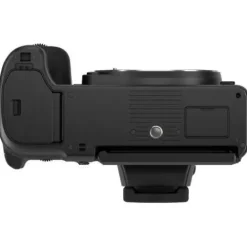
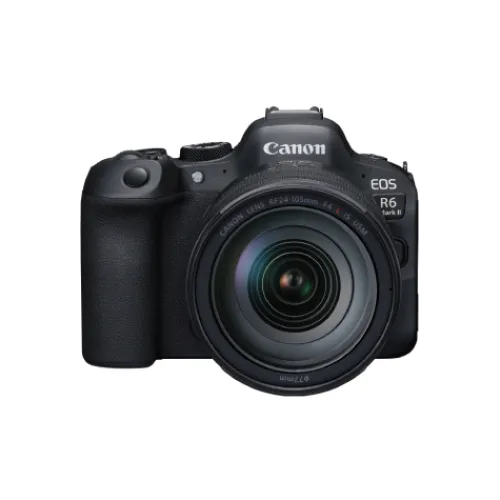
Canon EOS R6 II Body
The Canon EOS R6 II mirrorless camera is a welcome addition to Canon’s lineup. This new model’s output quality can meet the needs of photographers and cinematographers. There isn’t a better model in this price range for enthusiasts and professionals, with a 24.2MP sensor and 4K 60p video recording.
Some of the Canon EOS R6 MK II’s state-of-the-art improvements from the Canon EOS R6 include:
- 40 frames per second silent continuous shooting using the electronic shutter
- High-performance subject tracking that quickly locks on to multiple subjects, including horses, trains and aeroplanes.
- 24.2MP resolution and ISO 102400 for superb dynamic range and low-light performance
- 6K oversampling, or 4K 60p movie recording.
- 5.0 stops IBIS and up to 8.0 stops coordinated control for steady handheld shooting in low light.
- Digital Tele-converter so users can get in closer to the action.
Continuous Shooting
For landscape, wedding, wildlife and sports photographers, this camera delivers all the necessary tools to carry out a professional shoot. Take, for example, the ability to shoot up to 40 photos per second. The previous model only supported half the value at 20 frames per second. While this mode must utilise the electronic shutter, it opens up new possibilities to capture the action without disturbing the subject, thanks to its silent operation.
Autofocus
Autofocus is something this new camera delivers in spades. Utilising Canon’s priority EOS iTR AF in combination with subject tracking, users can now rely on precision focus in low-light and daylight situations. Three new subjects have been added to the algorithm, horses, trains and planes.
New Modes
It’s great to see manufacturers like Canon add new functionality to enhance the productivity of their cameras. While these may only be small improvements, they can make all the difference when shooting out in the field or in the output quality of the file. Take, for instance, the new power saving mode, which sees a saving in battery power, benefiting an increase in the number of photos a photographer can take. Or how about the reduction or removal of screen flickering when recording LEDs, monitors or other displays. With a new high-frequency anti-flicker shooting mode, filmmakers can now rely on the camera to adjust the mechanical shutter to counteract the flicker!
Video Capabilities
The Canon EOS R6 II adopts the same high-quality 4K 60p recordings found on the Canon EOS R6, but with a slight tweak. Now, cinematographers can oversample their footage to record 6K footage. This new feature is also supported upon export via the 6K RAW support (4:2:2) to an external monitor.
If however, you want to record on-the-fly videos for easy uploading, the Canon EOS R6 II does support Full HD movies, with pre-recording and a 179.82p slow motion mode. Aside from this, whatever mode you record in, you’ll get at least 30 minutes of continuous recording time. Lower qualities can extend this time; however, you will need enough memory in the dual slots to support the files.
It’s also worth noting the Canon EOS R6 II will also support the Canon DM-E1D with an XLR adapter. This adapter will prove very useful for professional microphone support rather than relying on the mic-in port on the camera itself.
Operation and Connection
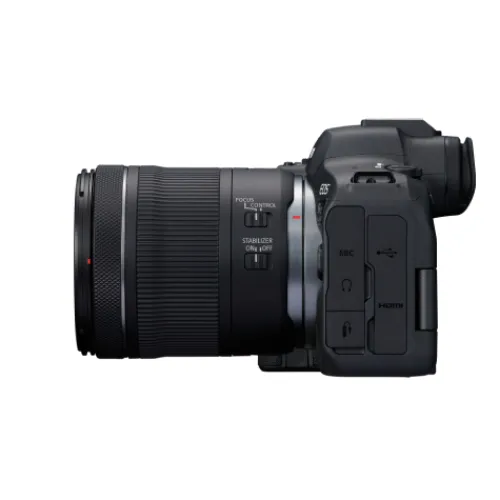
The design follows suit to the Canon EOS R6, but with some new features. For starters, the built-in Wi-Fi now supports 5GHz (IEEE 802.11ac equivalent), ensuring transfers happen faster when in close proximity to capable devices. If Wi-Fi isn’t an option, the EOS R6 II will now support connecting directly to a smartphone via the USB port on the side of the camera.
When operating in movie mode, YouTubers, filmmakers, and vloggers can easily navigate common settings in an improved menu system. But, that’s not all, Canon has also improved the shape of the multi-controller, so it presents a more tactile feel when in operation.
Upon looking at the top of the Canon EOS R6 II, there’s a new Multi-function shoe that can talk directly to the newest Canon EL-5 Speedlite. Other R Series models can also use the same flash unit; however, they will require a firmware update. And finally, if you plan on using the Canon BR-E1 remote control when filming and taking photos, Canon has gone all out to improve the operational functionality, so users get the best experience.
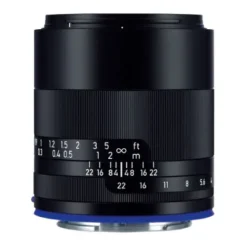
RF 24-105mm f/4 L IS USM Lens
Adaptable Zoom Range for EOS R Cameras
The Canon RF 24-105mm F/4 lens is designed for the EOS R mirrorless camera system. Its zoom range is incredibly versatile, adapting well to a wide range of scenarios, from travel photography to landscapes and portraits. The wide end allows you to capture more expansive scenes, while also offering you the ability to zoom in close to subjects for tighter framing to capture more details.
Constant F4 Aperture
A constant f4 aperture across the whole focal range helps capture more light, especially toward the telephoto end of the zoom range, where many lenses can get a bit darker. This results in better photos with more detail and clarity, so you can confidently zoom in and use faster shutter speeds and still get excellent-looking images.
Built-In Image Stabilisation
Featuring built-in image stabilisation with up to 5 stops of compensation, the 24-105mm L series lens helps reduce movements or vibrations that can occur when shooting handheld. This is an excellent feature for both photo-taking and video recording, giving you sharper image results and more stable-looking footage. The lens works with the camera to provide dual sensing IS for stills and 5-axis stabilisation for video shooting.
Fast, Accurate Nano USM Autofocus
For the first time in L-series glass a Nano Ultra Sonic Motor (USM) drives the lens autofocus system, providing an accurate focus that tracks reliably throughout the entire focal range. The motor allows for precision focus control over your composition and allows you to shoot with confidence.
Lens Ring for Additional Control
With a customisable control ring located in front of the focus on the lens, you can easily control the aperture, shutter speed, ISO as well as exposure compensation while using the EVF. This gives you better control than ever before to ensure you can capture the shot you want.
High-Quality L Series Optical Construction
This high-end L series lens features an optical construction consisting of 18 elements arranged in 14 groups and has an integrated Digital Lens Optimiser (DLO) that uses lens data communicated to the camera body to control chromatic aberrations and distortion across the entire frame. The physical lens elements also have an air sphere coating (ASC) to help minimise flares and reflections, resulting in crisp, detailed images with improved contrast and colour fidelity.
Aperture Blades for Better Bokeh
The rounded 9-blade aperture found inside the RF24-105mm F4 IS USM lens helps make circular-looking ‘bokeh’ effects in your out-of-focus areas and highlights. The f4 aperture lends itself nicely to ensuring smooth, softly blurred background compression, especially when zooming in and this can help make sure your subjects stand out against their background while minimising distracting elements.


Reviews
There are no reviews yet.